
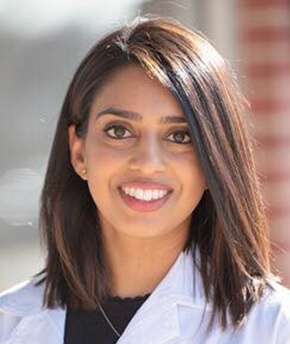
Dr. Avani Patel, DMD
Partner
Dr. Avani Patel is passionate about forming connections with her patients and helping them develop a great smile and build confidence. Dr. Patel was born and raised in California. She obtained her Bachelors of Dental Surgery (BDS) and began her dream of being able to make a difference by making smiles brighter! She continued on to receive her Doctorate in Dental Medicine fromTufts University School of Dental Medicine in Boston, Massachusetts in 2014.
With over 7 years of experience in private practice she practices the full scope of General Dentistry with a special interest in the restorative phase of implant and cosmetic dentistry. She is Invisalign Certified, is able to administer cosmetic injectables, and perform oral conscious sedation for patient’s comfort. Dr. Patel is affiliated with several prestigious dental organizations, The Chicago Dental Society and the American Dental Association. Dr. Patel is also an active member of Spear Education and Cerec Doctors and is a firm believer in continuing education and performing comprehensive treatment using the latest technology.
Dr. Patel is happily married to her husband, Nilesh, and is excited to be a new mom. She loves the outdoors, enjoys traveling, and spending time with her friends and family.
Dr. Patel is available at our:
- Elgin, IL Dental Office
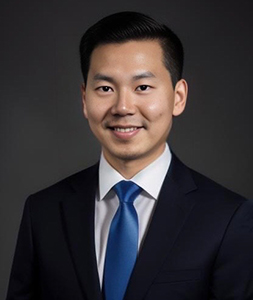
Dr. John Hur, DMD, MD
Oral Surgeon
Dr. John Hur is a board eligible dual-degree trained Oral and Maxillofacial Surgeon. He completed his undergraduate studies at the University of Illinois at Urbana-Champaign where he graduated with honors, earning his bachelors of arts in Molecular and Cellular Biology. He continued his studies at the University of California, San Francisco School of Dentistry where he graduated among the top of his class. During his time at UCSF, he was involved in nationally recognized projects in the field of craniofacial development. Through these academic pursuits, he developed a profound interest in medicine and surgery. Dr. Hur continued his post-doctoral work in New York, where he received his medical degree from Columbia University College of Physicians and Surgeons. He then completed a competitive Oral and Maxillofacial Surgery residency at Columbia University Medical Center/New York Presbyterian Hospital, which was ranked as the #1 hospital in the New York Metropolitan area and #6 hospital nationally by the 2014-15 U.S News and World Report. His training involved a fully integrated General Surgery preliminary internship with focused rotations in plastic/reconstructive surgery, trauma, anesthesia and maxillofacial oncologic surgery. He then concluded his training at NYP Hospital where he completed his intensive full scope oral and maxillofacial surgery training with an emphasis on CT guided corrective jaw surgery.
Dr. Hur’s current practice reflects a foundation in full-scope training with an emphasis on orthognathic surgery (corrective jaw surgery) and complex dental implant surgery that utilizes CT guided skeletal mapping and surgical protocols. His other services include third molar surgery (wisdom tooth extractions), dentoalveolar surgery, pathology, facial trauma and temporomandibular joint disorders.
Dr. Hur is available at our:
- Elgin, IL Dental Office
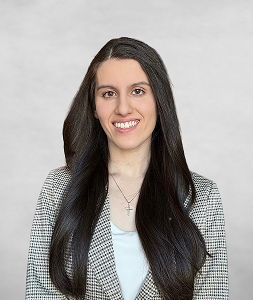
Dr. Amanda Nikho, DMD
Dr. Amanda Nikho, DMD, MS grew up in the western suburbs of Chicago. She earned her undergraduate degree in Biopsychology, Cognition, and Neuroscience from the University of Michigan in Ann Arbor. She then went on to receive her Doctor of Dental Medicine degree from the University of Illinois Chicago. Afterward, Dr. Nikho became dual-certified in both hospital-based dentistry at OSF St. Francis Medical Center in Peoria and orthodontics at the University of Illinois in Chicago.
Dr. Nikho’s philosophy when it comes to orthodontics is to create beautiful, healthy smiles while ensuring each patient and parent feels heard, comfortable, and cared for. She is experienced in a wide range of treatments, including traditional braces, expanders, Invisalign, and more. And, outside the office, Dr. Nikho enjoys spending time with her husband and family.
Dr. Nikho is available at our:
- Elgin, IL Dental Office
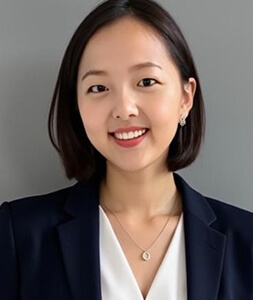
Dr. Bo Yeon Choi, DMD
Dr. Bo Yeon Choi is a passionate and caring dentist who finds joy in helping her patients understand not just the importance of good oral health, but the urgency of maintaining it. After earning her Doctorate in Dental medicine degree from the University of Illinois at Chicago College of Dentistry, Dr. Choi completed a year-long General Practice Residency at Columbia/New York Presbyterian in New York, where she gained hands-on experience in a variety of advanced dental procedures as well as managing medically compromised patients.
Dr. Choi believes that the key to great dental care is making sure patients feel comfortable and informed every step of the way. She’s dedicated to helping patients understand their treatment options and the lasting benefits of maintaining good oral health.
Outside the office, Dr. Choi is an avid fan of outdoor activities like skiing, hiking, and camping. She loves spending time in nature and hopes to share these experiences with her children as they grow older. Family is at the core of Dr. Choi’s life—she treasures creating memories with her husband, two boys, and their dog. Dr. Choi is committed to continuous learning and strives to bring the latest dental innovations to her practice, ensuring that her patients receive the highest standard of care in a relaxed and supportive environment.
Dr. Choi is available at our:
- Eglin, IL Dental Office

Dr. Matt Feigenbaum, DDS
For as long as he can remember, Dr. Matt has dreamed of becoming a dentist. Growing up, he was always drawn to both science and art, and he quickly realized dentistry was the perfect blend of the two. His earliest introduction to the field came from his father, who is also a dentist. Some of Dr. Matt’s favorite childhood memories include visiting his dad at work, playing with dental instruments, and pouring dental casts. More importantly, he witnessed firsthand the strong relationships and deep trust his father built with his patients. Inspired by the opportunity to help people feel confident in their smiles—and to follow in the footsteps of his hero—he knew dentistry was exactly where he belonged.
Dr. Matt earned his Doctor of Dental Surgery from the University of Missouri–Kansas City School of Dentistry. He then completed a one-year Advanced Education in General Dentistry residency at Southern Illinois University–Edwardsville School of Dental Medicine. There, he received extensive training in specialized procedures including oral surgery, full-mouth rehabilitation, Invisalign treatment, and pediatric dentistry. A strong believer in lifelong learning, Dr. Matt continues to complete multiple continuing education courses each year to stay current with the most advanced techniques in modern dentistry.
Outside the office, Dr. Matt enjoys exploring new restaurants and traveling to Italy with his wife, RoseAnn. Most of their time today is joyfully spent raising their son, Levi, whom they welcomed at the beginning of 2025. He also loves taking walks with his Australian Shepherd, Brody, and, when time allows, baking desserts.
Dr. Feigenbaum is available at our:
- Schaumburg, IL Dental Office
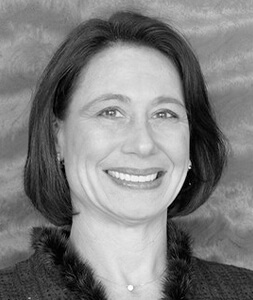
Dr. Alexandra Douvas, DDS
Dr. Douvas was born and raised in Chicago. She attended Loyola University from 1985 to 1987, and went on to study at the Loyola School of Dentistry, where she received her Doctorate of Dental Surgery in 1991.
Dr. Douvas is available at our:
- Chicago, IL Dental Office
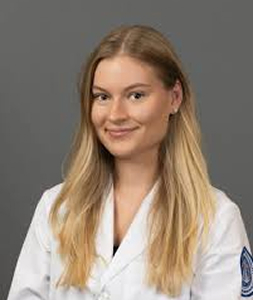
Dr. Natalia Brzezinski, DMD
Dr. Natalia Brzezinski is a dedicated and compassionate dentist committed to delivering high-quality, patient-centered care. Born and raised in Chicago, Dr. Brzezinski embodies the spirit of a true Chicagoan—resilient, warm, and deeply connected to her roots. Fluent in both English and Polish, she is passionate about making dental care accessible and welcoming for all.
Dr. Brzezinski earned her Doctor of Dental Medicine (DMD) degree from Midwestern University in Downers Grove, where she developed a strong foundation in comprehensive dental care and advanced clinical techniques. Prior to dental school, she completed her undergraduate studies at the University of Illinois at Urbana-Champaign, where she majored in Molecular and Cellular Biology and cultivated her passion for healthcare and service. A graduate of Walter Payton College Prep, Dr. Brzezinski’s academic path reflects her lifelong dedication to learning and service.
Dr. Brzezinski is a committed member of several dental organizations including the Chicago Dental Society, Illinois State Dental Society, and American Equilibration Society.
Outside of dentistry, Dr. Brzezinski finds joy in the simple pleasures of city life and the great outdoors. She loves exploring Chicago’s many neighborhoods, visiting local farmers markets, and baking for friends and family. A true adventurer at heart, she also enjoys cross-country road trips and has a strong appreciation for the beauty of America’s national parks.
Whether she’s in the office, exploring the country, or browsing fresh produce at a weekend market, Dr. Brzezinski brings curiosity, care, and a deep respect for people and their stories to everything she does.
Dr. Brzezinski is available at our:
- Chicago, IL Dental Office
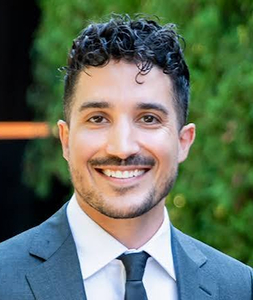
Dr. Lorenzo Prieto, DMD
Board-Certified Prosthodontist
Dr. Prieto is a board-certified prosthodontist who is passionate about combining the science, artistry, and precision of dentistry to create beautiful, natural-looking smiles. While he enjoys the technical aspects of rebuilding and replacing teeth, his favorite part of practicing dentistry is getting to know his patients. He believes every patient is unique and values building lasting relationships while providing personalized, high-quality care.
Dr. Prieto’s interest in dentistry began in high school after a soccer injury fractured one of his front teeth. His childhood dentist restored the tooth so seamlessly that he was inspired to pursue a career in dentistry. After shadowing in a dental office and later working as a dental assistant in a program providing care to migrant workers and their families, he knew dentistry was the right path.
He earned his bachelor’s degree from the University of Michigan before receiving his Doctor of Dental Medicine degree from the University of Pennsylvania. Dr. Prieto then completed a three-year prosthodontics residency at the University of Illinois at Chicago, where he received advanced training in full-mouth rehabilitation, esthetic dentistry, dental implants, and complex restorative cases.
Committed to lifelong learning, Dr. Prieto is an active member of the American Dental Association, the Illinois State Dental Society, and SPEAR Education, allowing him to stay current with the latest advancements in restorative and prosthodontic care.
Outside the office, Dr. Prieto enjoys spending time with his family, staying active through soccer leagues throughout the Chicago area, and expressing his creativity as a DJ and music mixer. He enjoys streaming performances and hopes to play a live venue in the future.
Dr. Prieto is available at our:
- Chicago, IL Dental Office
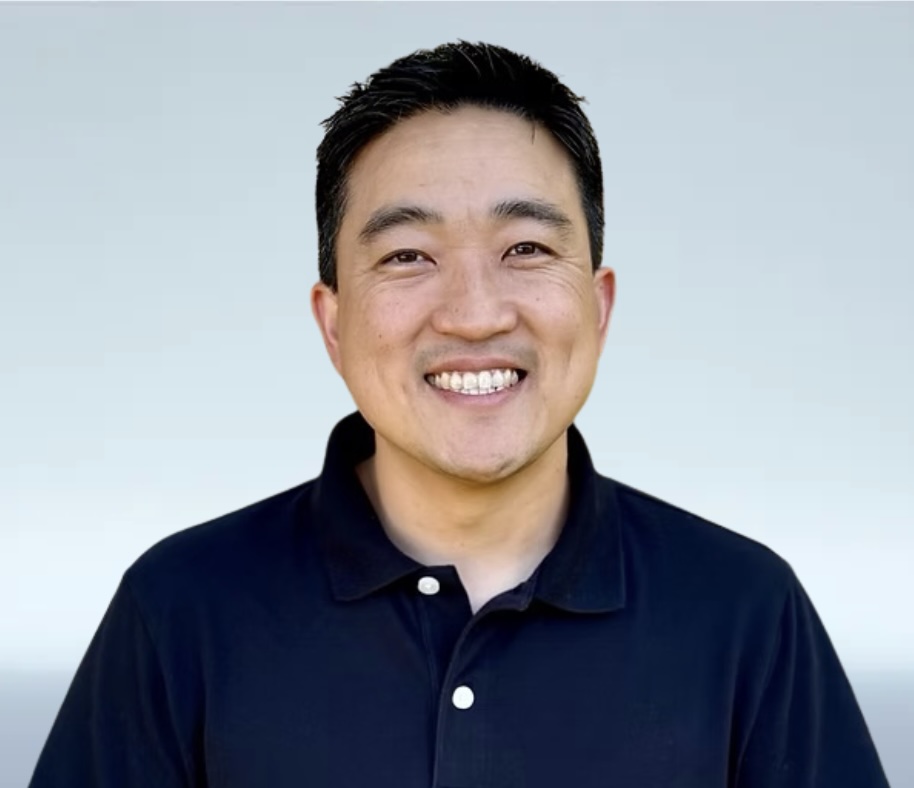
Dr. Chris Park, DDS
Originally from California, Dr. Chris Park brings a warm, approachable style to dentistry, focusing on building genuine relationships with his patients and helping them feel comfortable and cared for. He provides a wide range of general dental services, including restorative care, crown and bridge work, extractions, and implant treatment.
Dr. Park earned his Doctor of Dental Surgery degree from the University of California, San Francisco and holds a bachelor’s degree in Biology–Genetics from the University of California, Berkeley. He is also a Fellow of the International Congress of Oral Implantologists (FICOI), reflecting his continued commitment to learning and growth in dentistry.
He has a special appreciation for serving communities with limited access to dental care, including overseas mission work and community-based clinics. These experiences have shaped his belief that everyone deserves thoughtful, respectful, and quality care.
Fluent in both English and Korean, Dr. Park enjoys connecting with patients from diverse backgrounds. He values clear communication, trust, and taking the time to help patients feel at ease. For Dr. Park, dentistry is about more than just treating teeth—it’s about helping people feel confident, cared for, and supported in their overall health.
Dr. Park is available at our:
- Elgin, IL Dental Office
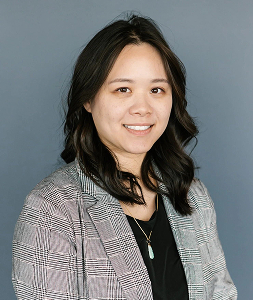
Dr. Debera Wang, DMD
Dr. Debera Wang is a well-rounded and experienced dentist who is passionate about providing comprehensive, personalized dental care. She believes every patient deserves to understand their oral health and feel confident in the decisions they make about their treatment. Dr. Wang takes the time to explain all available options, helping each patient choose the approach that is best suited to their individual needs, goals, and comfort.
Her philosophy is simple: treat every patient like family. She strives to build genuine, lasting relationships with her patients and create an environment where they feel comfortable, heard, and cared for. Known for being warm, approachable, and easy to connect with, Dr. Wang enjoys getting to know the people behind the smiles she treats.
Outside of dentistry, Dr. Wang is very family-oriented and loves spending time with the people — and pets — who are closest to her. She is the proud and devoted pet mom of two cats and two bunnies, whom she loves dearly. In her free time, she enjoys traveling, exploring new places, and, whenever she gets the chance, visiting Disneyland.
Whether she is caring for a patient or spending time with family and friends, Dr. Wang brings the same warmth, compassion, and genuine care to everything she does.
Dr. Wang is available at our:
- Schaumburg, IL Dental Office
The High Point Story
High Point Dentistry was founded in 2009 by Dr. Vu Kong, a third-generation dentist, and graduate of the University of Detroit Mercy School of Dentistry. Dr. Kong’s family escaped the war-torn country of Cambodia, and he was born in a refugee camp in Thailand. They were fortunate enough to be sponsored by a Catholic church to come to the United States, where Dr. Kong pursued his passion for dentistry.
With a vision to create a patient-centric dental practice that prioritizes the comfort and satisfaction of patients, High Point Dentistry has now expanded to six dental offices across two states, providing comprehensive dental services that are privately and doctor-owned. Our offices are the top-rated dental offices in their respective area with over 2500+ 5-star Google reviews. High Point Dentistry is committed to ethical and compassionate patient care and has helped build a loyal following of patients who are treated like family.
At High Point Dentistry, our core values are Honesty, Integrity, Transparency, Growth, and Alignment. We are focused on staying up-to-date with the latest advancements in the dental field and providing the highest quality care to our patients. We hope to see you at your next visit and welcome you to join the High Point Dentistry family!
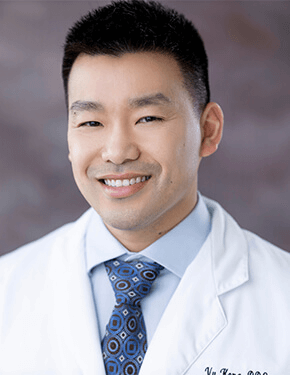
Dr. Vu Kong, CEO & Owner
Dr. Kong is a third-generation dentist. Blending the analytical mindset of his Mechanical Engineering background from Michigan State University with his dental degree from the University of Detroit Mercy School of Dentistry—Dr. Kong is changing the way people feel about dentistry. He aims for excellence with a touch of warmth and humor.
Driven by a philosophy of patient-centered care, Dr. Kong ensures that everyone who walks through his doors feels like family. Upholding the highest standards of moral and ethical values, he remains steadfast in recommending only necessary treatments, and prioritizing the health of his patients.
A proponent of continuous professional growth, Dr. Kong invests significantly in attending a myriad of courses across the country. He finds particular satisfaction in the transformative results of treatments like Invisalign® and Dental Implants – seeing his patients rediscover their smiles is a reward in itself.
Outside of his practice, Dr. Kong’s life orbits around his cherished wife and two daughters. A lover of travel and quality family time, he brings the same dedication to his personal life as he does to his profession. Conversations with him might occasionally shift to Cantonese or be peppered with his subtle sense of humor.
Under Dr. Kong’s guidance, the practice stands as a beacon of innovative, compassionate, and advanced dentistry. He strives to create an environment where patient well-being takes center stage, and dentistry is both an art and a science.